In today’s digital world, data is invaluable. Whether it’s personal files, business information, or precious memories, the loss of data can be catastrophic. Fortunately, data recovery services are available to help you recover lost or deleted files. In this guide, we’ll explore the tools and methods available for data recovery, especially for M.2 type SSDs.
Why Data Recovery is Crucial
Data loss can occur for a variety of reasons, from accidental deletion and system crashes to hardware failure. The importance of having a reliable data recovery strategy cannot be overstated, especially in environments where information is a critical asset.
When faced with data loss, the first step is to remain calm and explore the available recovery options.
Steps for DIY Data Recovery
1. Choose a Data Recovery Software
The first thing you’ll need to do is download and install data recovery software on your computer. This software is designed to recover all types of files, including documents, photos, videos, and more, from various storage devices like hard drives, external drives, USB drives, memory cards, and M.2 type SSDs.
2. Connect the Affected Device
For M.2 SSDs, the process is relatively simple. If you can’t access the files directly, follow these steps:
-
Disconnect the M.2 SSD from the laptop or device it’s currently connected to.
-
Connect it to another laptop using a compatible USB cable or an SSD adapter.
Once connected, your laptop should recognize the M.2 SSD, allowing you to access the files stored on it.
3. Run the Recovery Software
Once the device is connected and recognized, open your data recovery software and follow the on-screen instructions. The software will scan the M.2 SSD or any connected storage device to identify recoverable files.
When to Seek Professional Data Recovery Services
While DIY recovery is an option, there are cases where professional data recovery services are the best course of action:
-
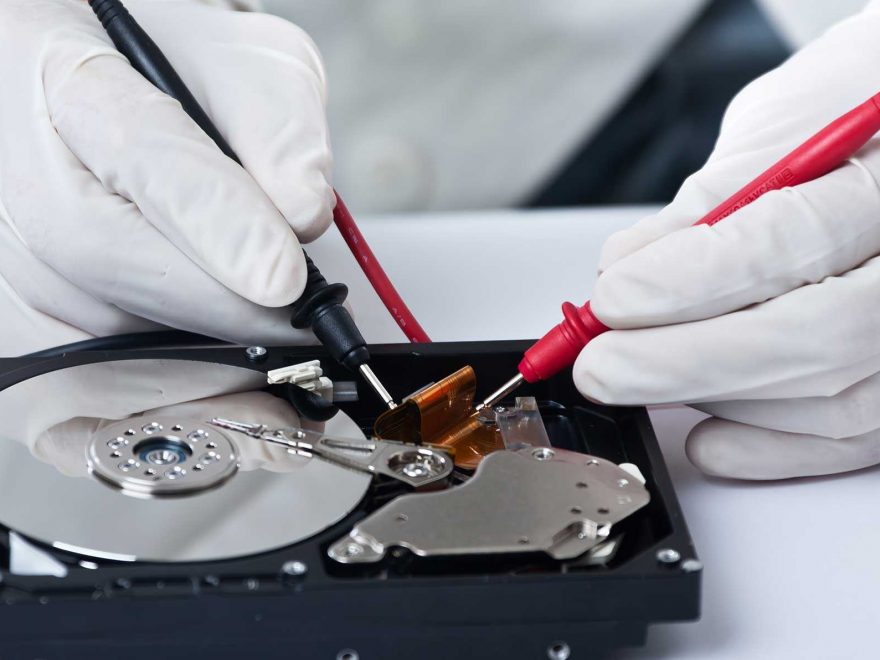
Complex Data Loss: If the data loss is due to a physical malfunction (like damaged read/write heads or a burnt PCB), it’s best to seek a professional.
-
Large Storage Devices: For large storage devices, such as multi-terabyte M.2 SSDs, the recovery process may be complicated and require specialized equipment.
-
Valuable or Sensitive Data: If the lost data is critical or sensitive, professionals will ensure it’s recovered securely without further risk of damage.
How Professional Data Recovery Services Can Help
1. Expert Knowledge and Tools
Data recovery professionals have access to specialized tools and techniques that allow them to recover data even from damaged or failing storage devices. They can handle more complex recovery situations than DIY software.
2. Prevention of Further Damage
Attempting recovery on your own, especially in cases of physical damage, may make the problem worse and cause irreversible harm to the device. Professionals can minimize the risk of further damage.
3. High Success Rates
Professional services have higher success rates for recovering lost data. They also offer a more thorough process that may involve multiple recovery attempts or accessing data through lab environments.
4. Confidentiality
Professional services ensure your data remains secure. If confidentiality is a concern, you can rely on them to handle sensitive information with care.
How to Contact a Professional Data Recovery Service
If you have an M.2 SSD with data you need to recover, don’t lose hope. It is possible to recover data even from difficult-to-access drives. Contact a data recovery service for a free consultation and a personalized assessment of your situation. Experts can guide you through the best recovery methods and help you get your lost files back without the risk of damaging the device further.
Conclusion
Losing important data can be stressful, but it’s not always a lost cause. Whether you’re using data recovery software or relying on professional data recovery services, there are options available to help you recover lost or deleted files.
For M.2 SSDs, the process of recovery can be straightforward or complex, depending on the nature of the data loss. If you’re unsure about performing recovery yourself, it’s always a good idea to consult with professionals who specialize in data recovery.
Remember, data recovery is possible, and with the right tools or services, you can get back your valuable information.